
Research theme
The Self in the Brain
How is the ‘self’ born in the brain and how it affects our cognition, behavior, and social adaptation? We are trying to solve mysteries about various aspects of the self, such as physical, social, and mental health.
- The Self in the Brain
- Where value comes from?
- Language and communication
- Disaster and the power to live
- Human brain science for the future
Related News

202511.05
How Does the Infection Threat Change Our Social Orientation? (Publication)
Does the fear of infection fundamentally alter how people relate to others and to society? Di
202509.16
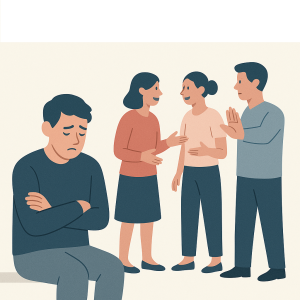
Do you feel pain after being rejected? (Poster Presentation at the International Conference)
Social rejection is not only emotionally painful but also activates some of the same brain regions a

202507.02
Decoded by Brain Data: Social Self (Data Science Cafe)
How can we empirically investigate the abstract and multifaceted concept of the social self? This st
202505.31
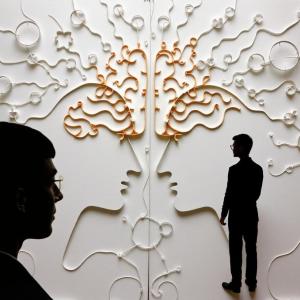
Looking at “self” development via the brain, from non-other to in-other (Invited Symposist)
From cross-disciplinary discussions in cognitive neuroscience, the development of self-concept can b

202503.11
Neural correlates of self-presentation following rejection feedback (Poster presentation)
In social life, people frequently encounter rejection from others, and their coping strategies play

202503.08
The relationship between self-presentation processing after rejection and sense of rejection (Poster presentation)
How people respond to rejection that causes emotional pain is crucial to their survival in society.

202410.22
Do you consider yourself to be superior to others in every domain? (Paper publication)
People tend to have positive self-evaluations in which they believe they are better than others. How

202410.19
The effect of self-esteem to social pressure and cignitive performance
Self-esteem has an anxiety-buffering function, and rising self-esteem makes people not to feel anxie

202408.28
Brain mechanisms of self-presentation adjustment to social rejection (Symposium Presentation)
People can regulate their self-presentation to others based on the feedback of social interaction, w

202406.25
Can the Brain Explain the Relationship Between Infectious Diseases and Collectivism? An fMRI Study of the Neural Basis of the Behavioral Immune System (Poster Presentation)
It is known that humans who have experienced repeated infections have developed a "behavioral i