
Research theme
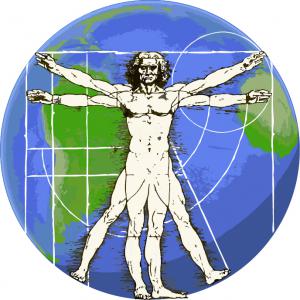
The Self in the Brain
How is the ‘self’ born in the brain and how it affects our cognition, behavior, and social adaptation? We are trying to solve mysteries about various aspects of the self, such as physical, social, and mental health.
- The Self in the Brain
- Where value comes from?
- Language and communication
- Disaster and the power to live
- Human brain science for the future
Related News

202110.21
The function and mechanism of self-transcendence (conference presentation)
The experience or personality trait of self-transcendence has two aspects: a sensory-motor experienc

202109.10
Toward a proposal for a lifelong view of "Memory Investment" (New research project)
It has been reported that recollecting nostalgic memories has various psychological effects, but the
202108.25
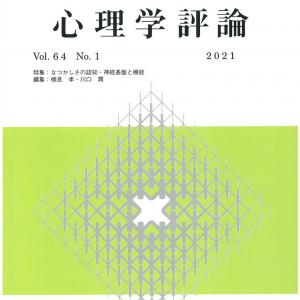
The current state of nostalgia research (paper publication)
A special issue of Japanese Psychological Review, "Cognitive and neural basis of nostalgia and
202106.22
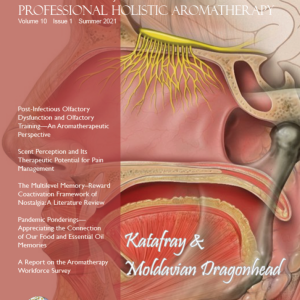
How nostalgia is induced?(paper publication)
Nostalgia, a sentimental longing for the past, has attracted attention in the fields of psychology a

202105.12
Are you better than your peers? (preprint release)
People tend to make positive self-evaluations that they think they are better than others. However,

202103.16
How nostalgia is induced? (preprint release)
Nostalgia, a sentimental longing for the past, has attracted attention in the fields of psychology a

202103.16
Are you an immoral person?
Are you honest? Are you smart? Japanese young adults reported they were less immoral than the averag
202103.09
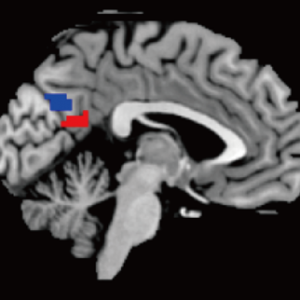
Neural Mechanisms of Job Value
Career choices affect not only our financial status but also our future well-being. When making thes
202103.04
Psychological time differs from physical time (Poster presentation)
When a voluntary movement produces a sensory feedback, movement and feedback are perceived as closer

202102.20
Considering environmental adaptation from neuroimaging findings of self-cognition (Special Lecture)
Referring the association of output and its feedback input to as "internal schema," then t